



TODAY'S TAKEAWAY
“How do I fix my manager?”
💡 The quick answer: Don’t.
THE QUESTION
“Hi Gorick, I have a supervisor who seems to be going through some things. He arrives grumpy every day, is quick to anger and spends all day complaining about his job. I think he might be dealing with alcohol issues. How do I lead from the bottom and encourage him to get some help? Thank-you.”
— “Anonymous” from Dallas, TX
GORICK'S RESPONSE
Hi “Anonymous,”
I am so sorry to hear about what you’re going through. Many jobs are hard enough as it is, but having a supervisor who is a firecracker is enough to turn a challenging role into an unbearable one.
Your instinct to help is noble. However, in a professional context—especially when there is a power imbalance—you have to move strategically.
Here’s how I’d personally navigate the situation:
1. Ask yourself: “What do I hope to gain?” and “What do I not want to ?”
Fixing your boss isn’t your job—and attempting to do so might backfire if he becomes defensive. If he needs help, I hope he finds it, but not at the expense of your professional or mental well-being. Before stepping in, ensure you aren’t risking your own reputation or crossing your own personal boundaries.
2. Ask a co-worker who’s worked with your boss for longer, “I’ve noticed [Manager] has been under a lot of pressure lately; is this typical, or have you found a specific way to work with him?”
“Strength in numbers,” as the saying goes. The more you can confirm your observations with others, the better they can have your back and corroborate your story if things go awry. You’ll also learn if this is a temporary rough patch or a systemic issue the company has long ignored.
3. Try saying, “Tell me more,” the next time he complains and see what he says.
Anger is easy to see; the source of that anger is much harder to pinpoint. Before jumping to conclusions about substance abuse, hear the situation from his perspective. At the very least, you’ll understand what triggers him so you can maneuver around his landmines.
4. Approach someone your manager listens to and say, “I’d love your perspective on a situation. Might you have a few minutes to chat?” followed by “I couldn't help but notice [manager] has been [behavior] lately. Am I seeing things or have you noticed something similar?”
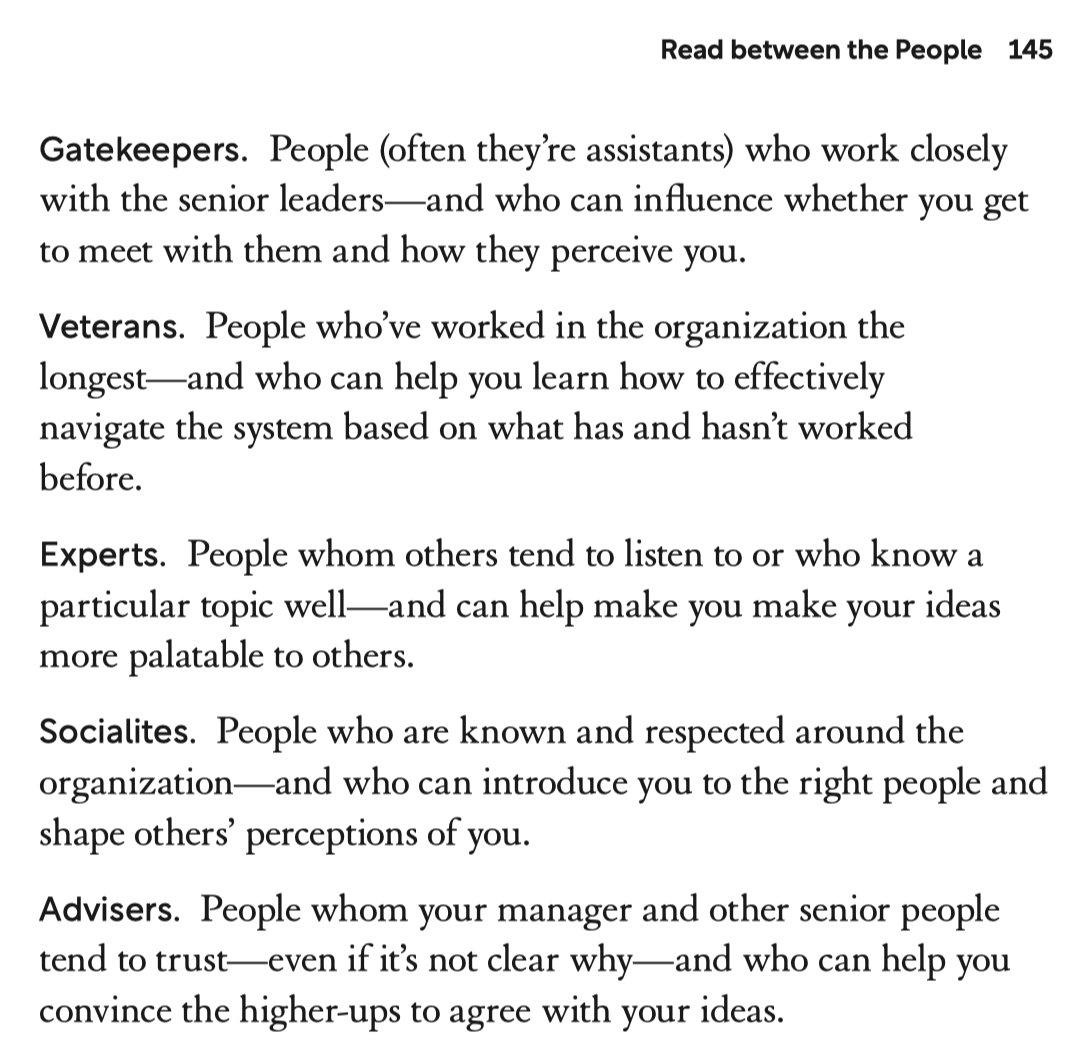
As I wrote in The Unspoken Rules page 145 (“Read between the People”), there are 5 types of influencers in the workplace–see screenshot below.
One of those “influencers” is what I call “advisors,” which I define as “people whom your manager and other senior people tend to trust—even if it's not clear why—who can help you convince the higher ups to agree with your ideas.”
Your goal isn’t to be a snitch, but to see if they’ve noticed the same behavior and if they are in a position to step in. Sometimes the message is only as good as the messenger; if a trusted confidant can’t reach him, it’s unlikely a subordinate can.
5. Limit your exposure and communicate with a paper trail.
It's easy to play “he said, she said” when conversations happen live. If his erratic behavior risks tarnishing your professional reputation, reply to emails with the phrase, “Please see below for my responses in line,” and then insert your reply under the appropriate line of their original email so you can directly reference what they said—and everybody else on the email thread can see who’s on the right side of history. At the very least, you’re keeping interactions brief and strictly focused on the work.
6. Keep an eye out for other opportunities.
I recommend this to everyone: Keep your network warm. Attend company events, meet people on other teams, and be a “plus one” to social functions. When you meet a leader you admire, ask yourself: “Would I want to work for this person?” If the answer is yes, offer to help them on a project. You deserve to work for someone who is as invested in your success as you are in your work.
7. Contact HR if it becomes a safety issue.
If his behavior crosses into harassment or creates a safety hazard, involve HR. Frame the situation not as a medical diagnosis (e.g., “I think he’s an alcoholic”), but as a business risk: “I am concerned about the team’s ability to function safely and effectively.” Present your facts, show your documentation, and bring your allies so you aren’t standing alone.
Hope this helps!
Gorick
PS: Have a career question for me? Submit a question here and I might answer it in my monthly "Ask Gorick Anything" series, which appears on the last Tuesday of each month!
WHAT I'M READING
Here are 3 articles that I found interesting recently (no paywalls, although it may depend on your cookies):
- Ireland’s basic income for the arts scheme becomes permanent (The Guardian)
- France dumps Zoom and Teams as Europe seeks digital autonomy from the US (AP)
- Why boring jobs are getting harder to fill, and paying more because of it (Yahoo)
MORE OF MY WORK
Every newsletter is free and a fraction of my work. Here are 3 of my paid offerings that may interest you:
1. Keynote speaking: If your organization is looking for speakers for your internship program, new hire orientation, new student orientation, manager training, all-hands meetings, recruiting season, year-end performance evaluation season, or something else, let's chat!
2. How to Say It: Flashcards that teach you to know what to say in every high-stakes professional setting via hundreds of fill-in-the-blank scripts (just like the examples above). Free shipping on all orders over $40.
3. The Unspoken Rules: My Wall Street Journal Bestseller that Arianna Huffington calls “a blueprint for anyone starting their career, entering a new role, or wanting to get unstuck.” Used by top companies and MBA programs.
4. Soft skills crash course: Hard skills get you hired, but a lack of soft skills gets you fired. Equip your interns and early career talent with the essential behaviors of high performers in just 3.5 hours.


