



TODAY'S TAKEAWAY
Change your reference point.
Don’t just compare “up”—compare down. Your satisfaction isn’t just about your title, your salary, or your promotions, but also your point of comparison.
THE STORY
Gold and bronze medalists have this in common
In 1995, researchers who were studying counterfactual thinking (i.e., those moments when you wonder “What if?”) landed upon a surprising discovery among Olympic medalists: bronze medalists consistently appeared visibly happier than the silver medalists who had outperformed them.
At first glance, this finding seems counterintuitive. Shouldn’t silver medalists feel more satisfied than those who placed third? After all, they beat out the bronze medalists!
Skeptical of the results, another group of scientists tried to replicate the study 26 years later in 2021. This time, though, they fed photos of Olympians posing at the medal stand into facial expression analysis software and analyzed 413 athletes from 67 countries across 142 sporting events.
When they compared the expressions of all the medalists, they indeed saw the same pattern: silver medalists often looked disappointed, while bronze medalists showed genuine happiness.
Here are some examples:
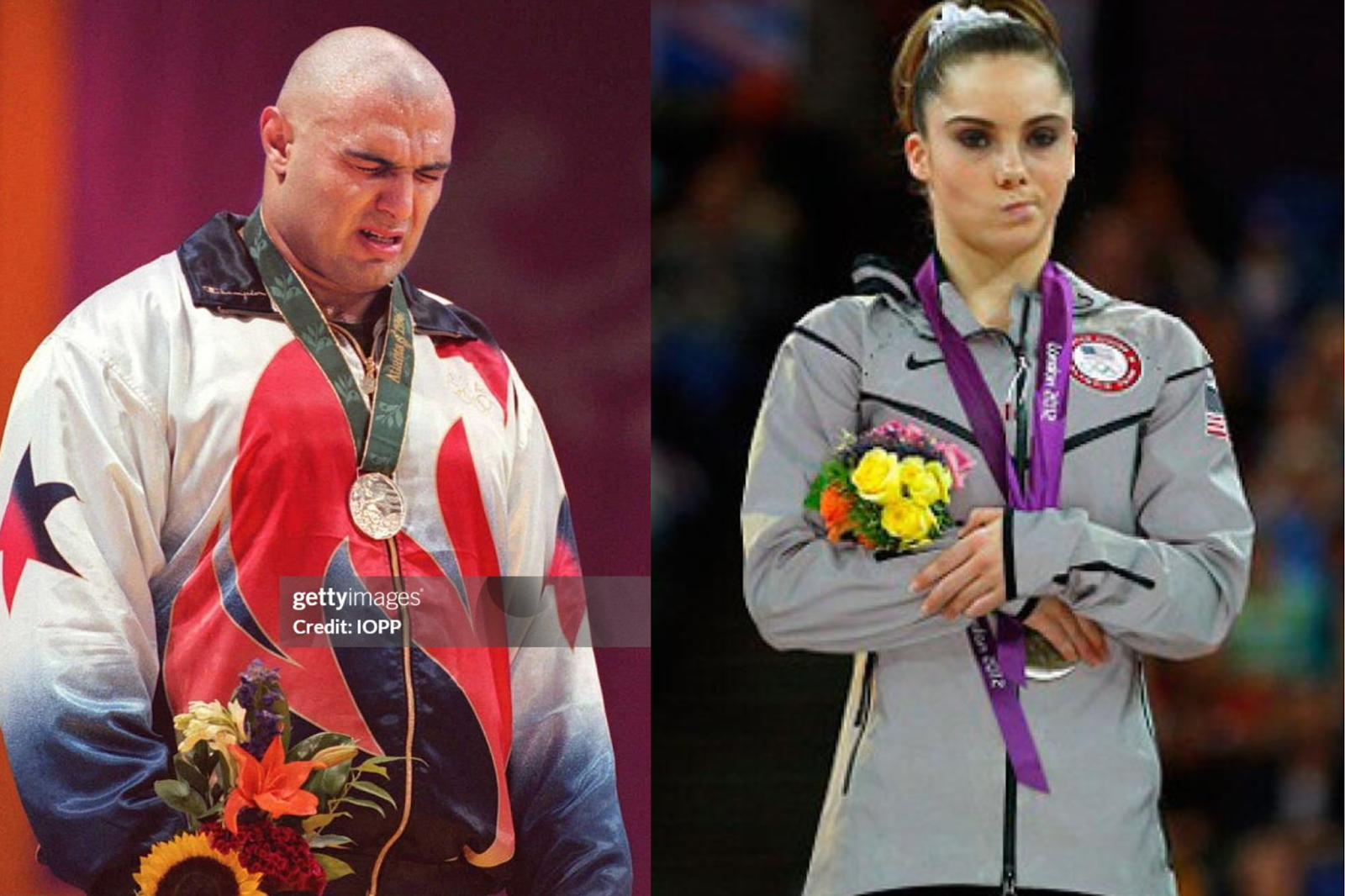
- Matt Ghaffari, Greco-Roman Wrestling, 1996: After a match against Aleksandr Karelin, Ghaffari took home the silver. But instead of celebrating his achievement, he “wept, unable to hide his devastation.”
- McKayla Maroney, Gymnastics, 2012: Maroney stood on the podium with a visibly unimpressed expression, which later became an internet meme.
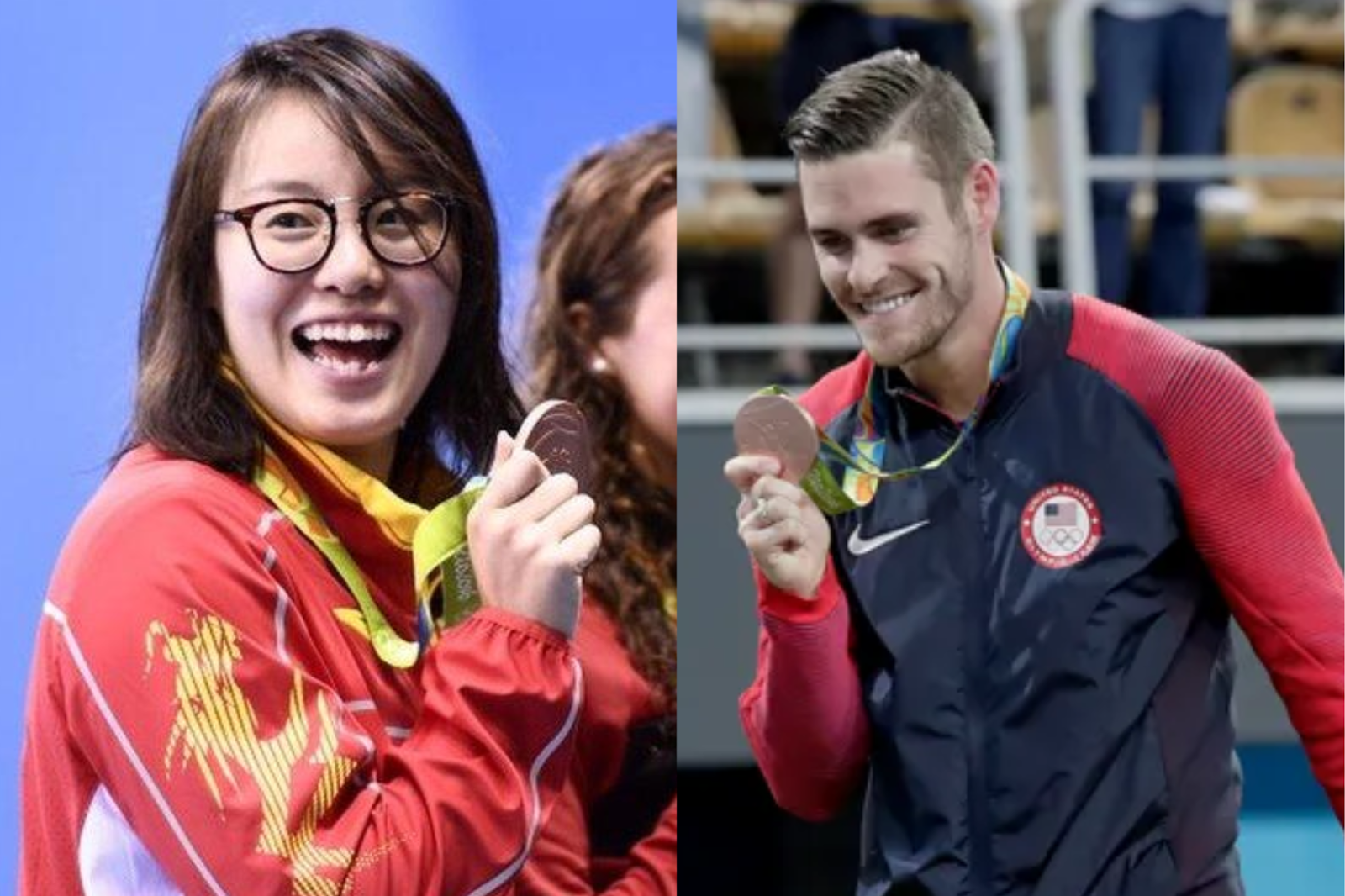
- Fu Yuanhui, Swimming, 2016: Chinese swimmer Fu Yuanhui claimed the bronze medal in the women’s 100 meter backstroke. In a moment of pure joy and surprise, she exclaimed, "I was that fast? I am so happy.”
- David Boudia, Diving, 2016: In the men’s 10-meter platform event at the Rio Olympics, Boudia earned bronze and said, “It’s easy to be discontent with the result… but to still become a bronze medalist is pretty special.”
The reason? Perspective.
Silver medalists tend to engage in what’s called “upward comparison”, meaning they compare themselves to the gold medalist and focus on how close they were to first place.
Bronze medalists, on the other hand, engage in “downward comparison”, meaning they compare themselves to the competitors who didn’t make it onto the podium at all.
Is there a lesson for our careers and lives here? You bet there is!
THE UNSPOKEN RULE
Change your reference point
When I learned about this study, I immediately thought back to one of my favorite quotes of all time: “Comparison is the thief of joy.”
It’s more than just a pithy statement. It’s also backed by research! It’s easy to forget the wins and dwell on all that we’ve missed or lost.
So, what can you do?
Here’s what I’ve personally found helpful:
Whenever I find myself scrolling through social media and lamenting over all the friends who seem wealthier, healthier, more successful, and happier, I fill in these blanks:
- “I feel like I failed because I [don’t have / didn't get] ___________.”
- “However, I am still ahead of the version of myself that didn’t have ___________.”
- “I’m also ahead of all the people who ___________, ___________, ___________.”
Example: “I feel like I failed because I didn’t get the VP title and the bonus that I wanted. However, I am still ahead of the version of myself from just a year ago that didn’t have the feedback from clients that they’d rather go to me than anyone else on the team. I’m also ahead of all the people at my level who’ve been laid off.”
Change your reference point to focus on what you have rather than what you lack and you might just live a happier life, one minor thought at a time.
See you next Tuesday for our next story and unspoken rule,
Gorick
WHAT I'M READING
Here are 3 articles that I found interesting recently (no paywalls, although it may depend on your cookies):
- “Highly successful people do 3 things that many neglect, says Harvard career expert” (shameless plug, sorry!) (CNBC)
- “What time should you wake up? Probably not 5 a.m.” (MSN)
- “How AI is changing the job search — and how to make it work for you” (QZ)
MORE OF MY WORK
Every newsletter is free and a fraction of my work. Here are 3 of my paid offerings that may interest you:
1. Keynote speaking: If your organization is looking for speakers for your internship program, new hire orientation, new student orientation, manager training, all-hands meetings, recruiting season, year-end performance evaluation season, or something else, let's chat!
2. How to Say It: Flashcards that teach you to know what to say in every high-stakes professional setting via hundreds of fill-in-the-blank scripts (just like the examples above). Free shipping on all orders over $40.
3. The Unspoken Rules: My Wall Street Journal Bestseller that Arianna Huffington calls “a blueprint for anyone starting their career, entering a new role, or wanting to get unstuck.” Used by top companies and MBA programs.
4. Soft skills crash course: Hard skills get you hired, but a lack of soft skills gets you fired. Equip your interns and early career talent with the essential behaviors of high performers in just 3.5 hours.
STORY SOURCES


